Lichfield Canal Volunteers' Helping Hand For Bats
Lichfield Canal restoration volunteers have always been a bit batty about the wildlife frequenting the canal route. Now they know how many different species of bats use the Tamworth Road section as a buffet, thanks to the efforts of a Duke of Edinburgh award student.
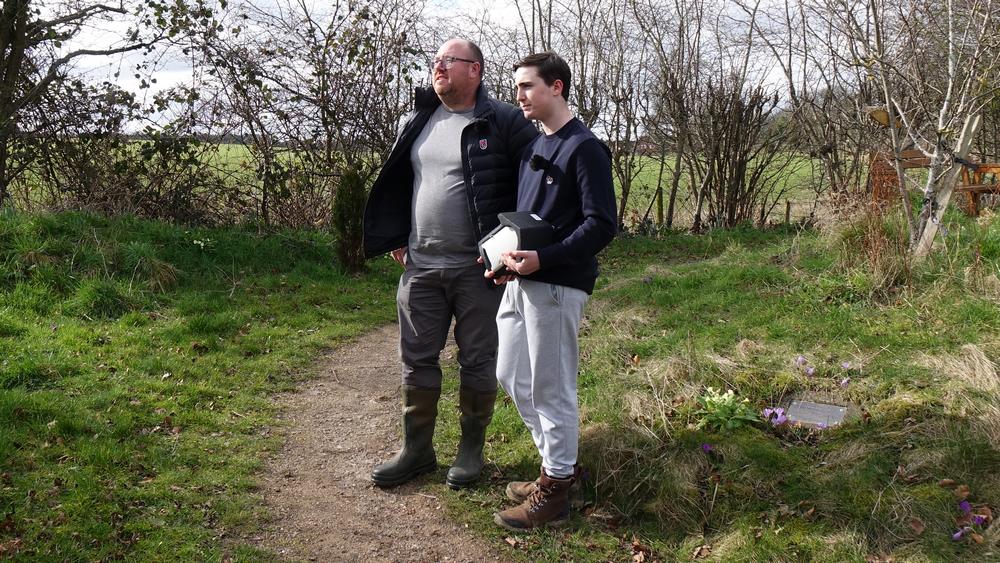
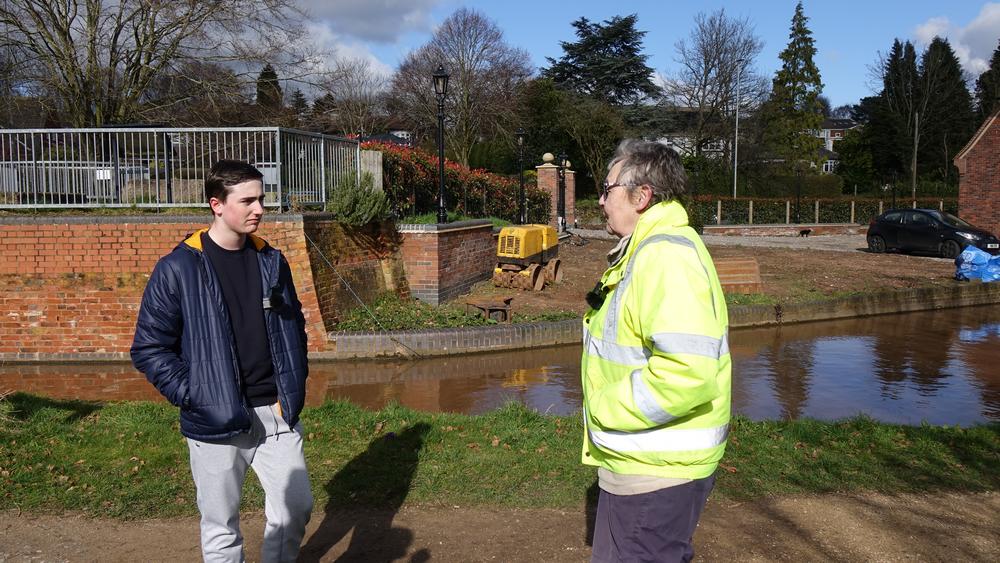
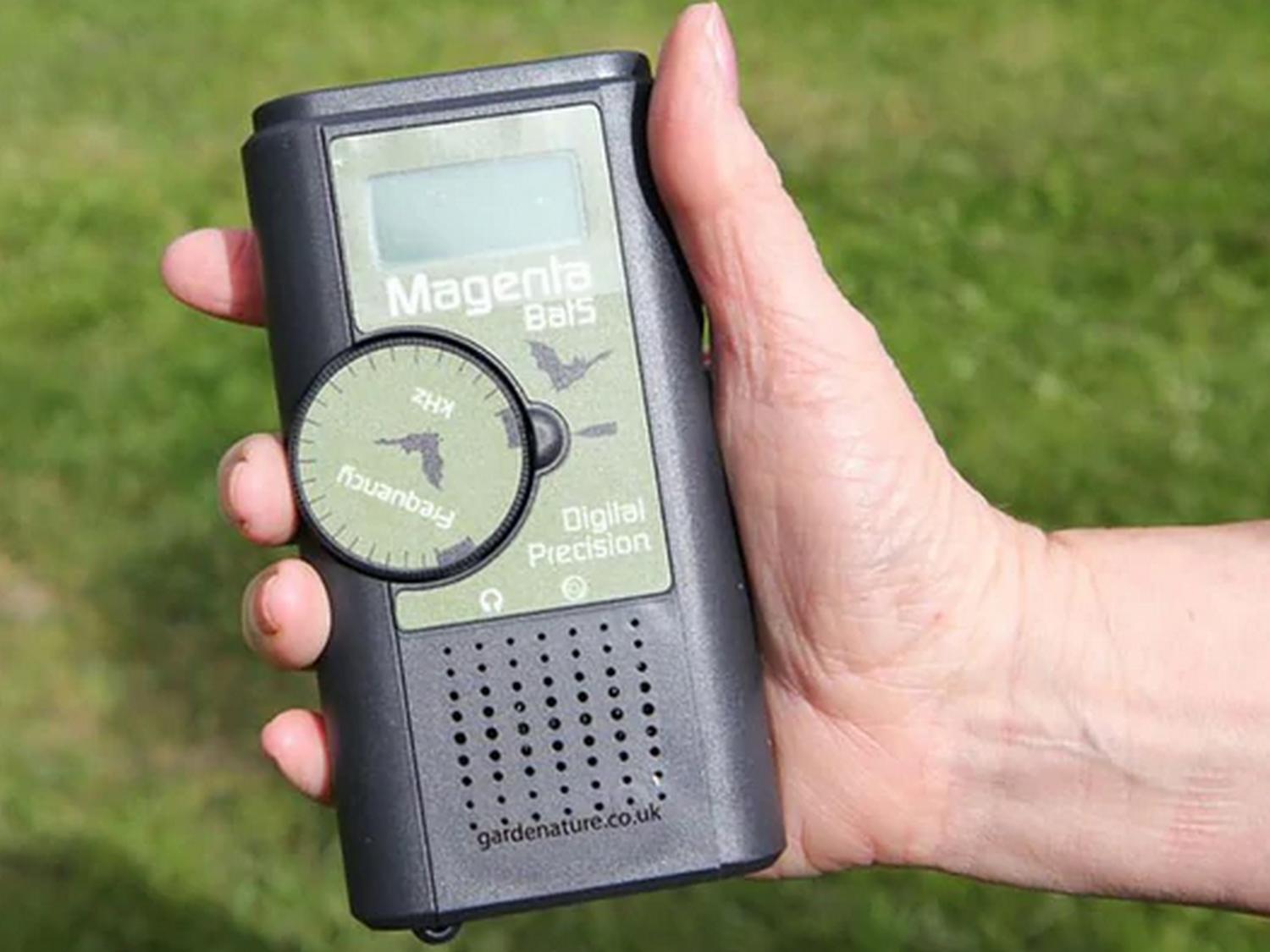
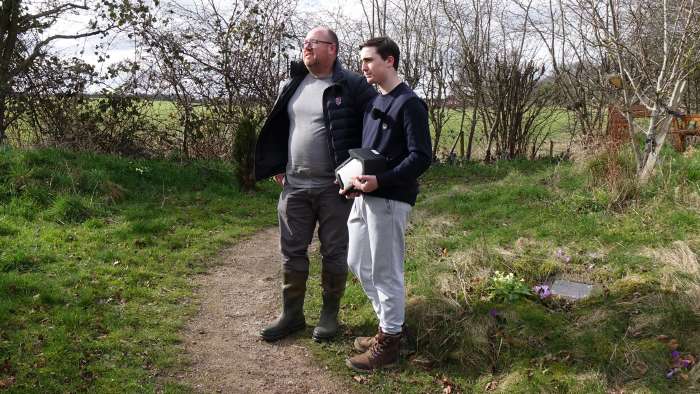
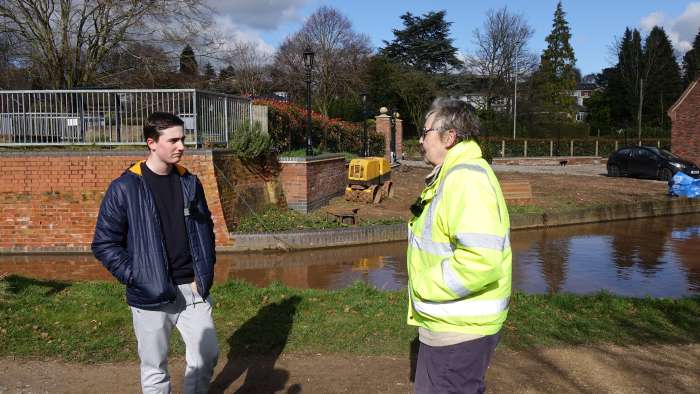
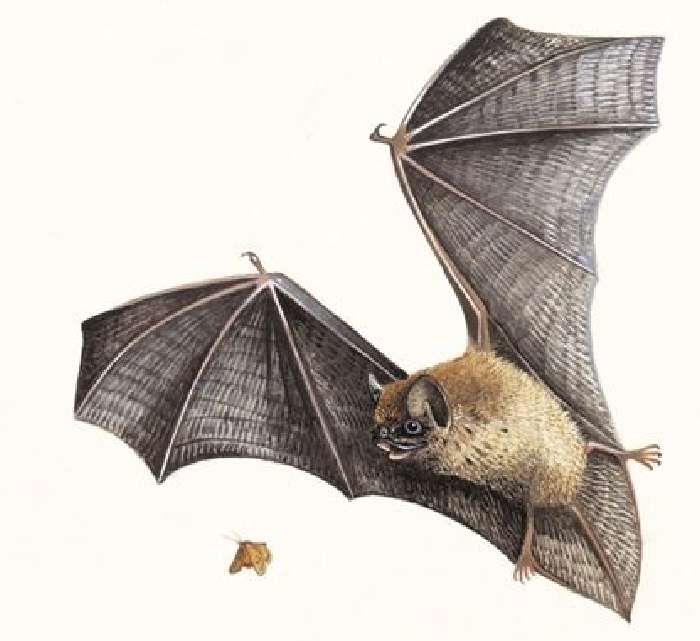
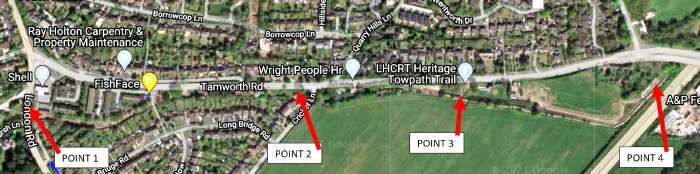
Having chosen the project as his voluntary subject for the DoE award, 14-year- old Owen Smith discovered seven different species of the flying mammal during his survey, carried out from April to October, 2021. Walking the kilometre and a half A38 to London Road stretch with his bat detector, usually from 7-10pm but sometimes later, Owen, the son of Garry Smith, senior ecologist for specialist consultants Chase Ecology, noted that the most frequent visitor was the Common Pipistrelle, with Myotis, Soprano Pipistrelle, Brown Long-eared, Whiskered, Daubenton's and Noctule also making appearances.
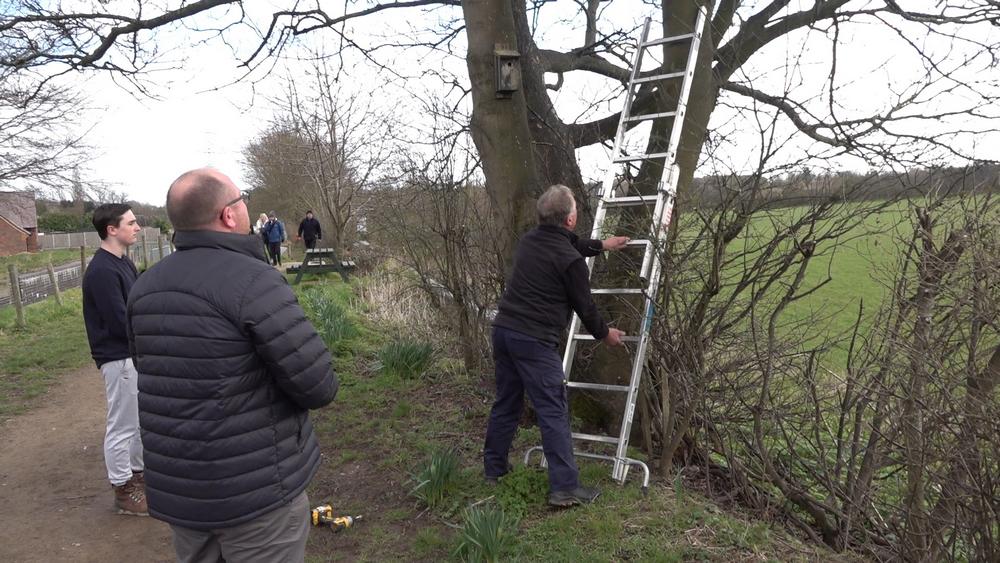
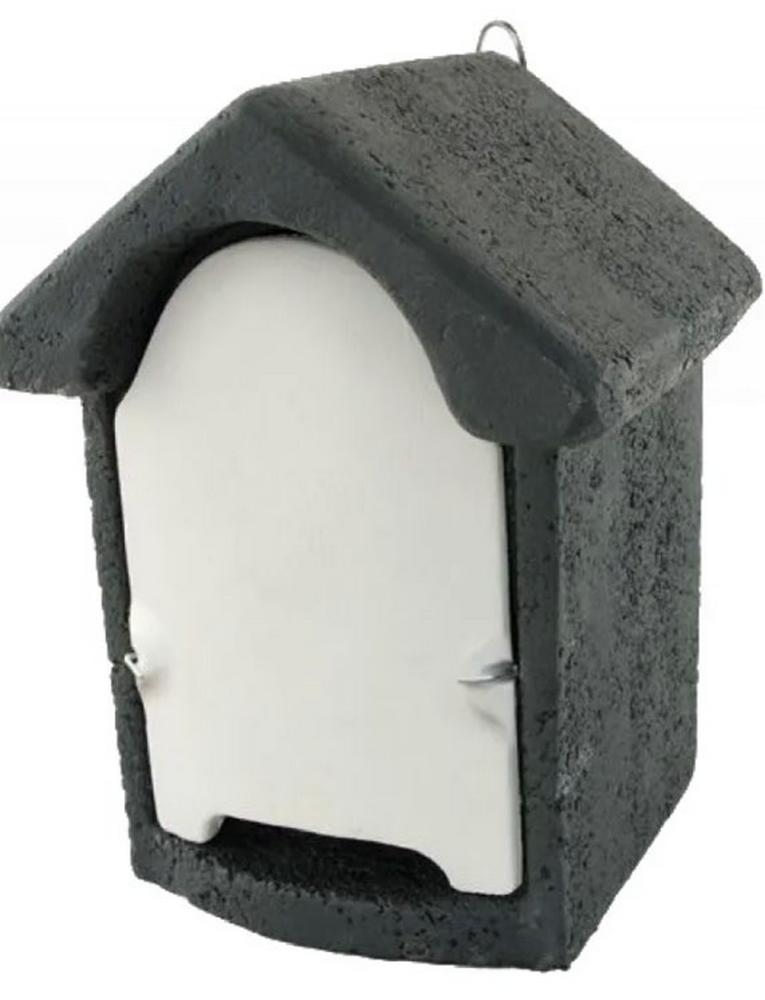
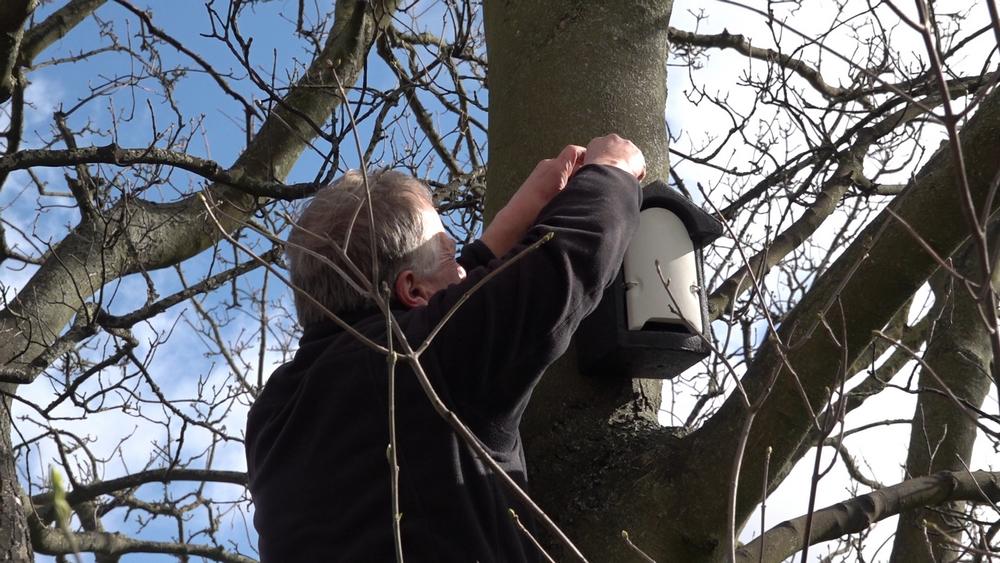
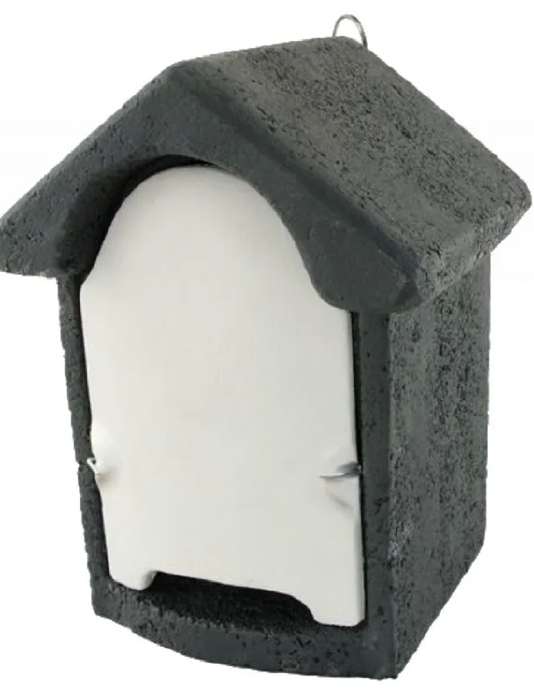
Chase Ecology have provided and installed five Woodstone small-chamber bat
boxes to persuade the commuting mammals to roost along this section of the
canal as they come out of hibernation.
Garry explained: “A lot of the woodland habitat along the stretch does not offer a
massive amount of roosting features.
“Most of the bats recorded seem to come in from the wider environment but
using the waterway sections for feeding.
“The point of putting up the boxes is to give them a bit more roosting habitat.”
Chase Ecology will come back over the next few years to see if the bat boxes
are being used and by which species, and Owen has also offered to lead 7th
Lichfield Scout group on bat walks.
Extract from the report
Executive Summary
Owen Smith under supervision of Garry Smith of Chase Ecology undertook the documented bats surveys at the named site to assess the habitats for bats and to establish any biodiversity net gain introduction which may support the environment.
Survey Methodology
All surveys were conducted during the optimal recommended survey times
following best practice guidelines.
All surveys were carried out during optimal weather conditions.
Each survey was lead by Owen Smith (DoE Award) under Supervision of Garry
Smith of Chase Ecology.
Results of emergence surveys
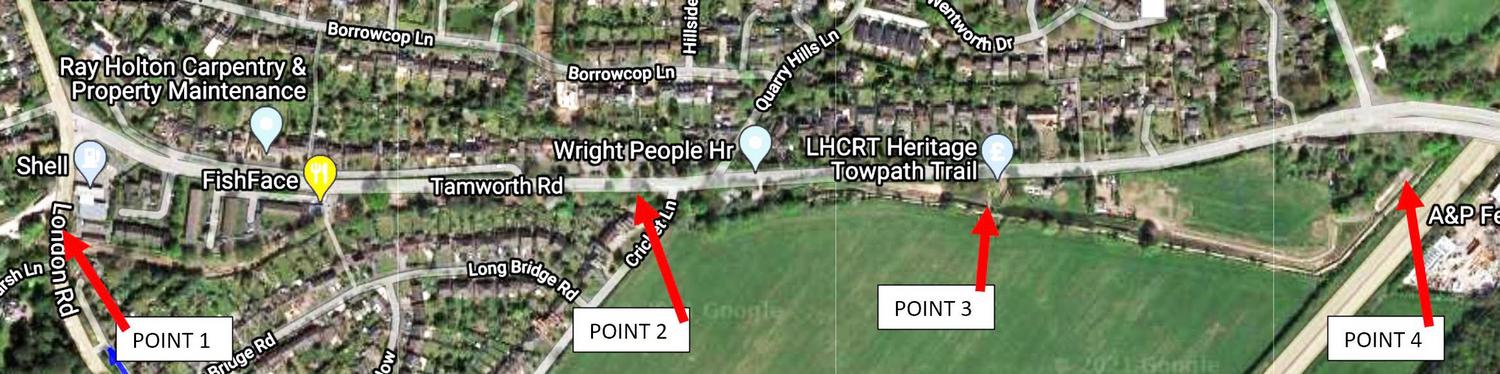
Species recorded between Points 1 to 4 (London Road to A38 Bridge) included;
The areas between points 1 & 2 demonstrated regular commuting from multiple species with the majority of feeding behaviours along the water areas of points 3 & 4.
Predicted Impacts of Development on Bats
The species recorded within points 3 & 4 took opportunity for feeding along the
water areas and treelines.
The developed water features would likely promote a feeding source for bats with
feeding sources and suitable habitats for such behaviours.
Biodiversity Net Gain
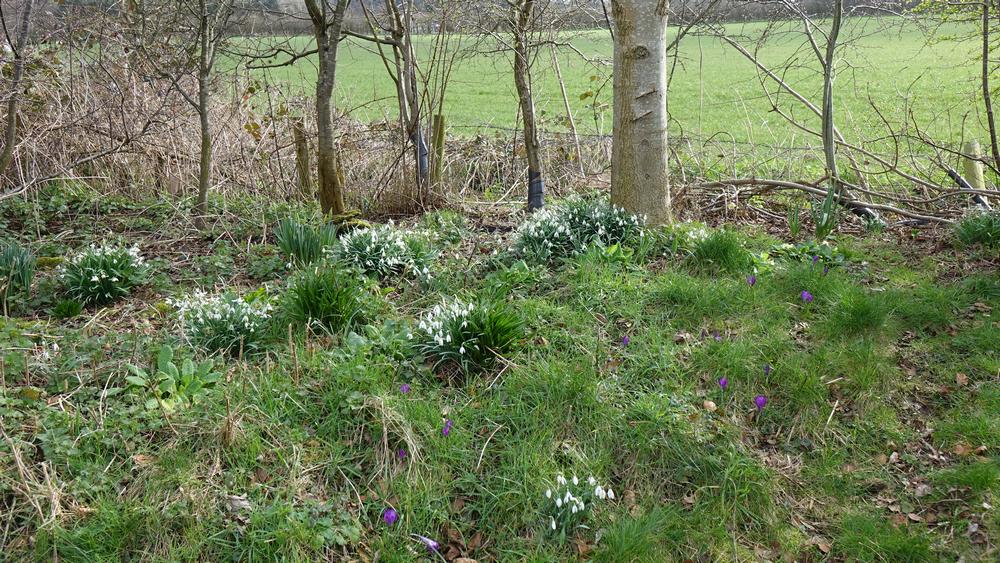
The habitats between points 1 & 4 offer a diverse level of roosting and feeding
features with various structures & woodland.
Between points 3 & 4 a small number of maintained bat boxes were observed to
be installed within the trees, however no bats during the surveys were observed
to be using such features.
However, to create further opportunity for bats it has been agreed that a total of five further woodstone small chamber bats boxes will be installed to offer further daytime shelter. These boxes will be installed during the Winter in preparation for possible use from Spring 2022 onwards.
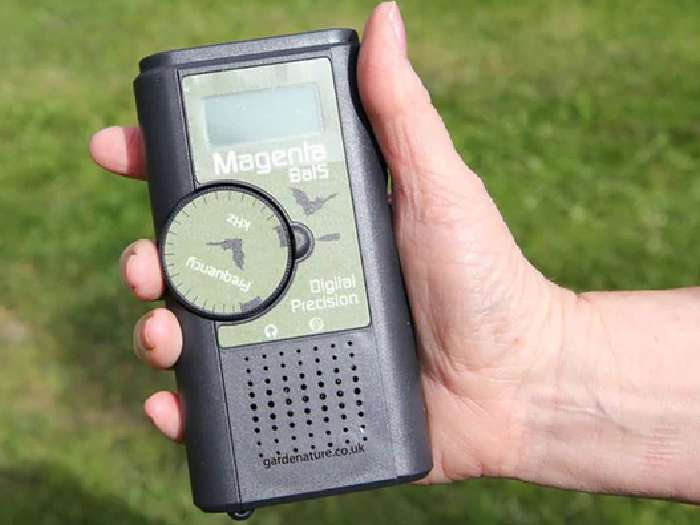
A bat detector is a device used to detect the presence of bats by converting
their echolocation ultrasound signals, as they are emitted by the bats, to
audible frequencies, usually about 120 Hz to 15 kHz. There are other types of
detectors which record bat calls so that they can be analysed afterward, but
these are more commonly referred to by their particular function.
Bats emit calls from about 12 kHz to 160 kHz, but the upper frequencies in
this range are rapidly absorbed in air.
There are distinct types of call which can indicate the genus, and variations in pattern and frequency which indicate the species.
Contrary to the popular saying ("blind as a bat") bats are not blind and can in fact see quite well. Although they use echolocation to navigate and find food, and they tend to have relatively small eyes, they use vision during their daily activities and to detect objects outside the effective range of echolocation, which is about ten to twenty meters.