Together Again
We are only very recently recombining the adult Grounds/Green team with the
Duke of Edinburgh (DoE) cohort, as most adult volunteers understandably were
concerned by the incidence of asymptomatic infection of young people. And of course we had
only reconvened the DoE group in April since closing down in December due to COVID.
Nonetheless, work continued but as separate groups, with the adults tending to work on a weekday, keeping weeds and brambles at bay. The DoE group has reached record numbers: I now have over 27 on the list. But, the school bubble situation means there are never more than 15 and occasionally as few as 4 as isolation instructions hit. Several of them, especially those at King Edward’s High School have been “hit” several times and it worries me enormously that these delightful youngsters are having not just their schooling damaged but their social interactions, too. Summer holidays will now keep numbers manageable (I hope!) for the next few weeks, but I really need someone to head up a Saturday afternoon or a Sunday second DoE group.
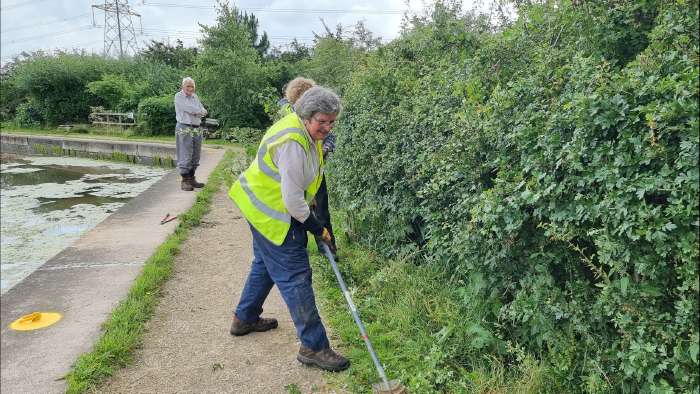
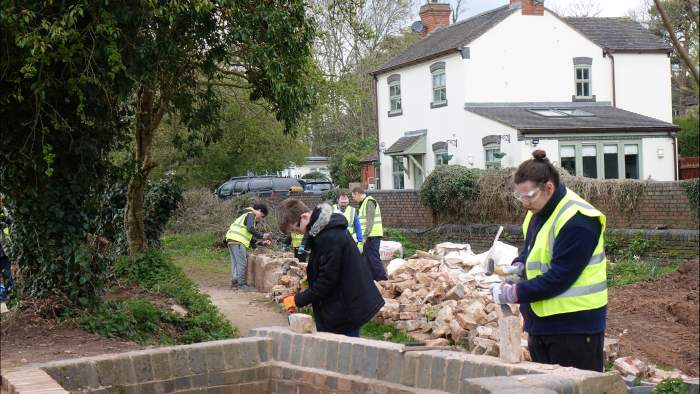
So what have they done?
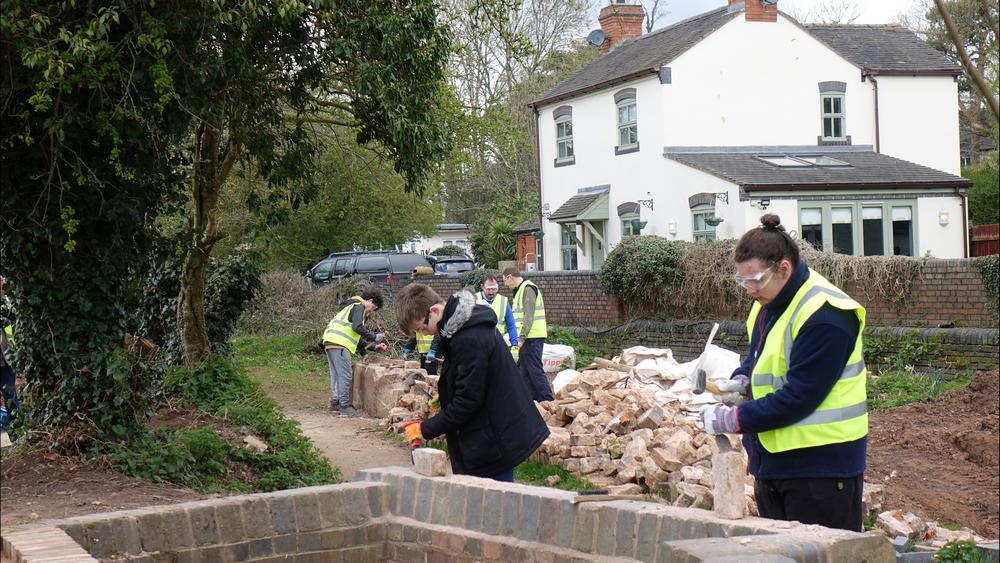
An awful lot of brick cleaning up at old Lock 24! At a saving of over £1 per brick
AND the fact the 200+ year old bricks are being recycled is superb and it saves
the time of our skilled volunteers but it is a pretty boring job so I try to break it up
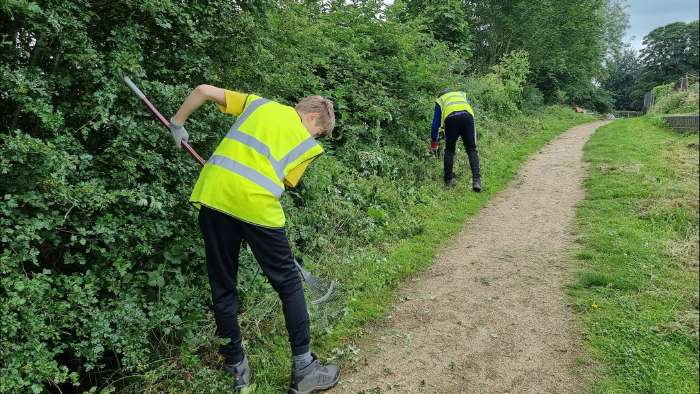
with other jobs and other sites. We have had several sessions tackling the
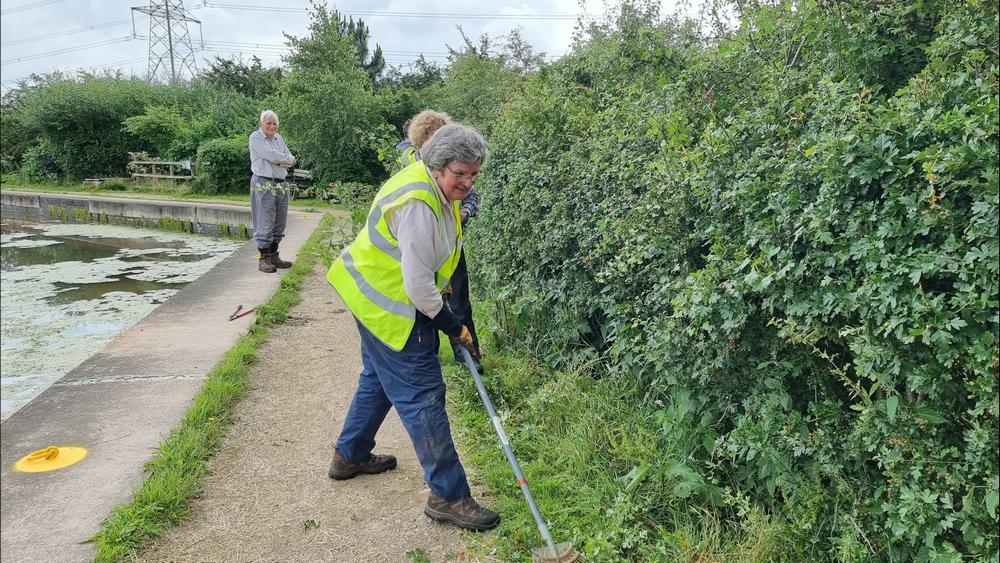
brambles (some as thick as your wrist!) growing through the fence along the
south side of the revised canal route along Falkland Road.
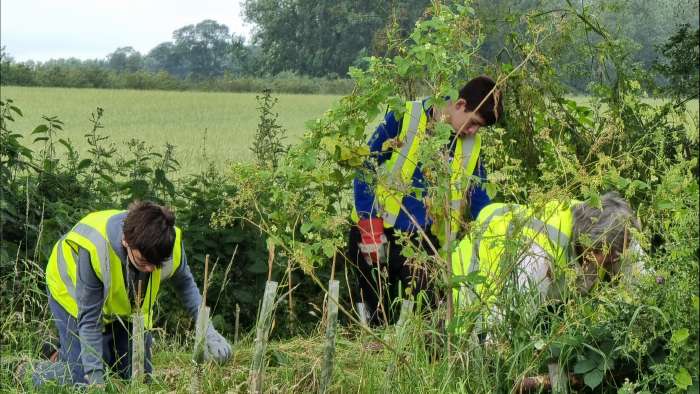
They have planted
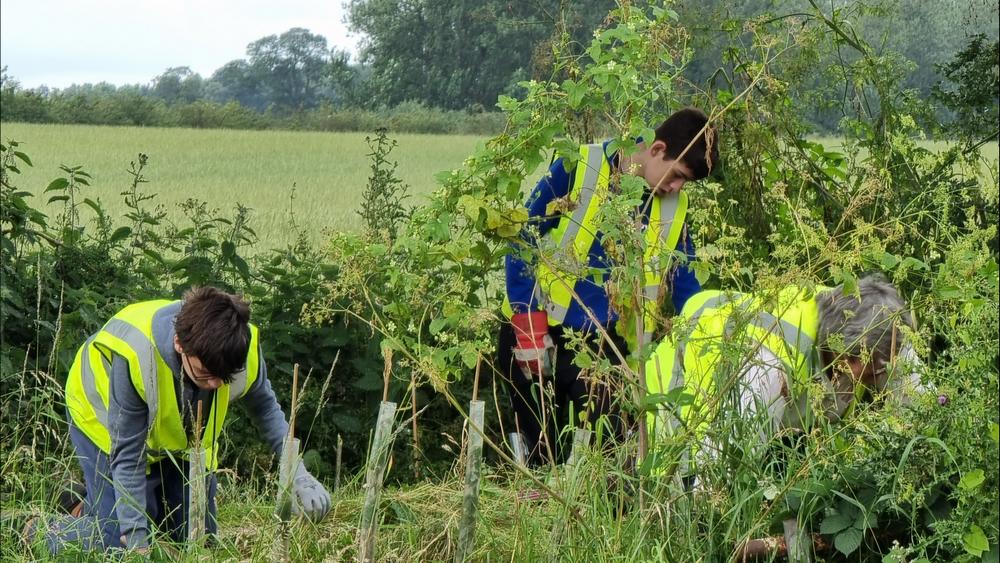
saplings, donated by South Staffs Pebble Fund, along Falkland Road. They have
tended saplings which were planted earlier and which get swamped by nettles,
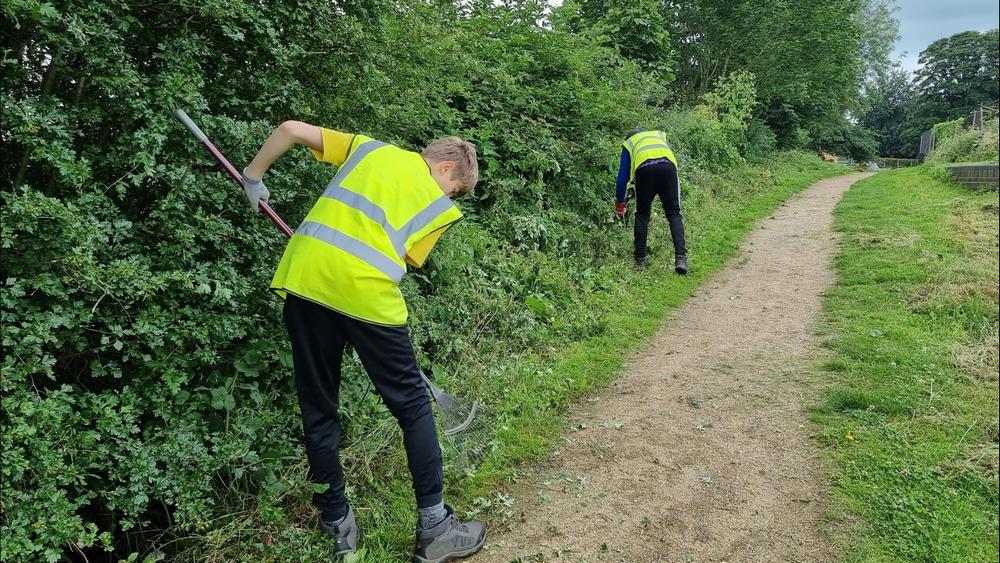
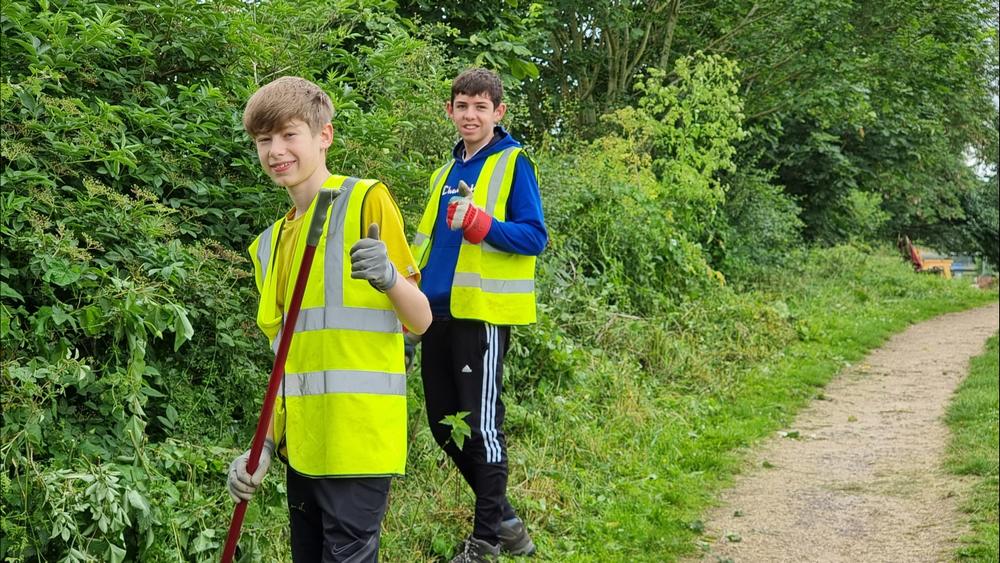
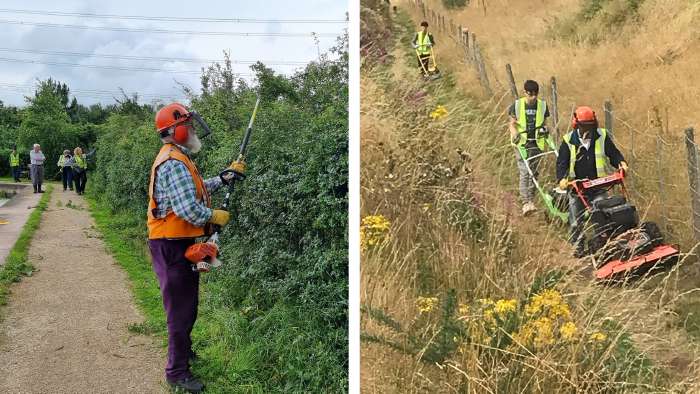
brambles and other weeds. They have cut hedges, grass and weeds from the
towpaths and steps along Borrowcop Locks and from around the benches and
towpath along Tamworth Road. They have tidied the Fosseway site, and we hope
that it has remained tidier...!?
They have cut the brash from the Tamworth Road/Cricket Lane junction which
was obscuring the visibility of this busy, and dangerous, junction (not actualy
our responsibility, but in the interests of community safety.)
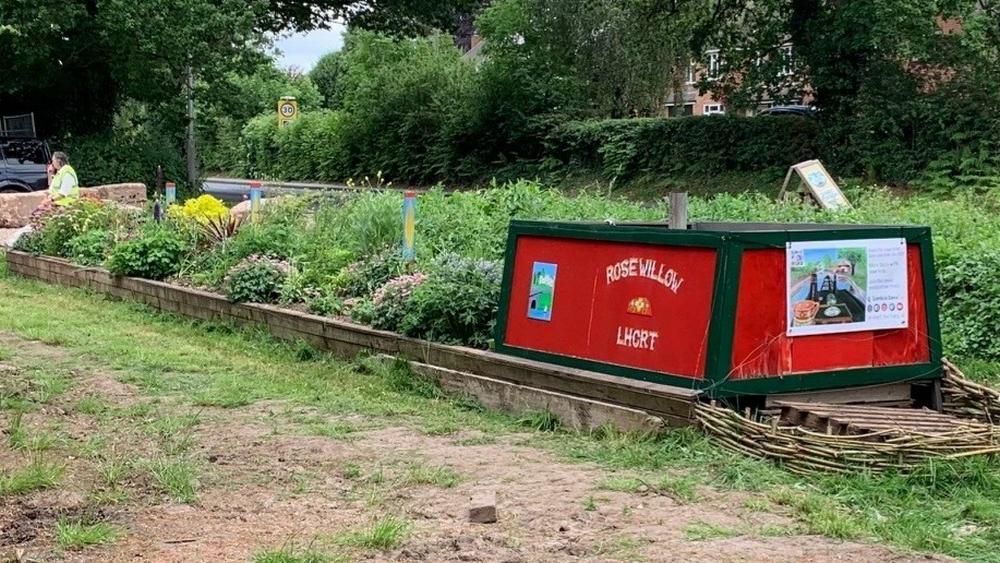
They’ve cut
the verge and bund along Tamworth Road – again to improve visibility but to also
enable sight of Rose Willow. And they have helped Roger to manually take down
brick wing walls from old Lock 24 so that we save and so recycle even more
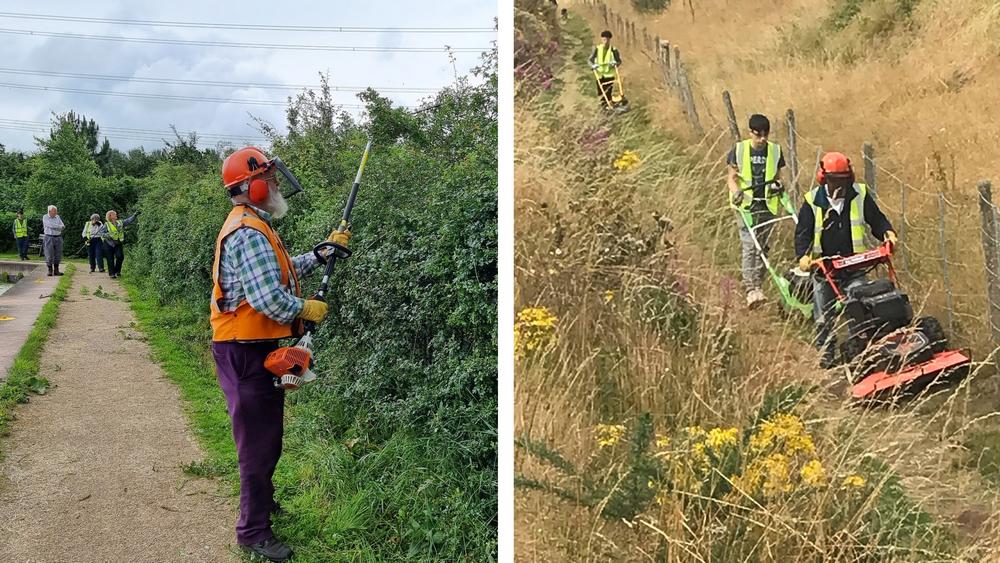
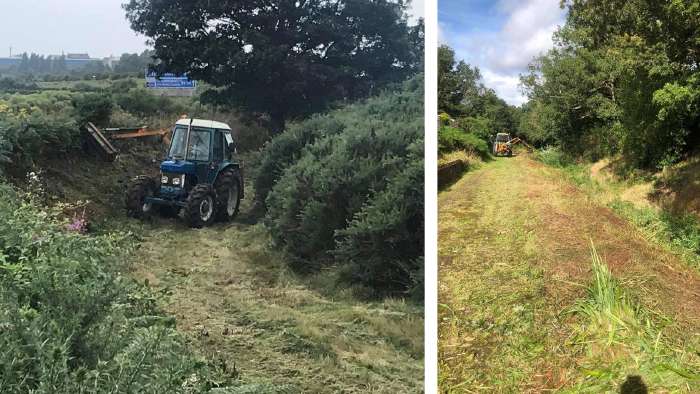
heritage bricks. Several of them have followed Peter Buck with the mammoth
brush cutter and at a safe distance, and suitably goggled, with smaller mowers
along the Fosseway and Gallows Reach paths to keep them cut for the public to
enjoy.
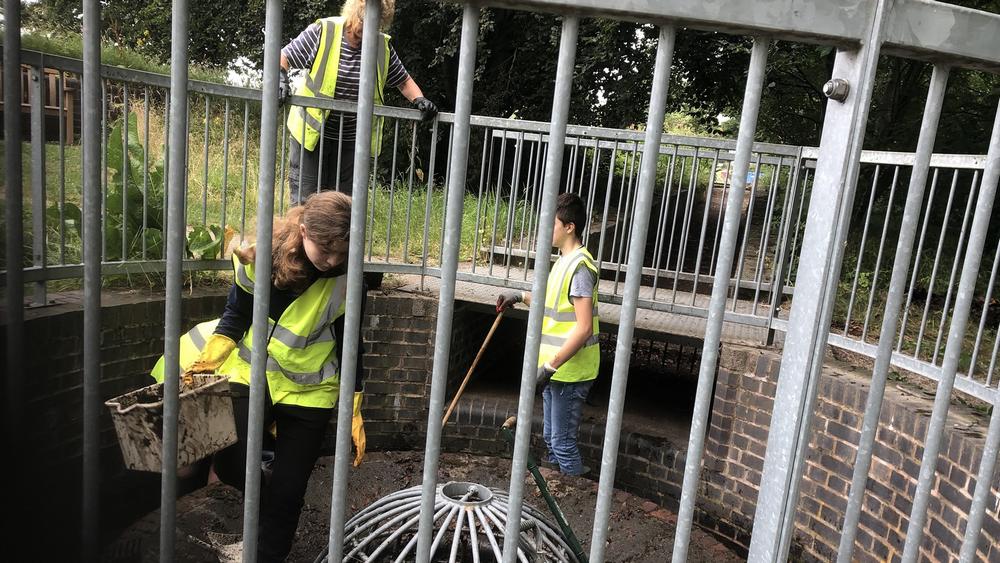
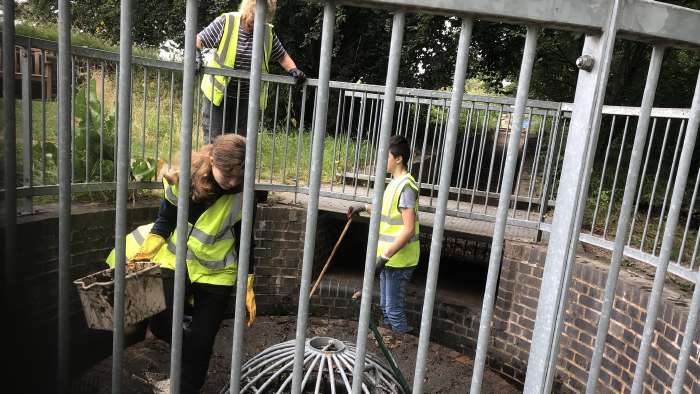
Finally in the DoE activities: they cleared the bywash of leaves at Lock 25.
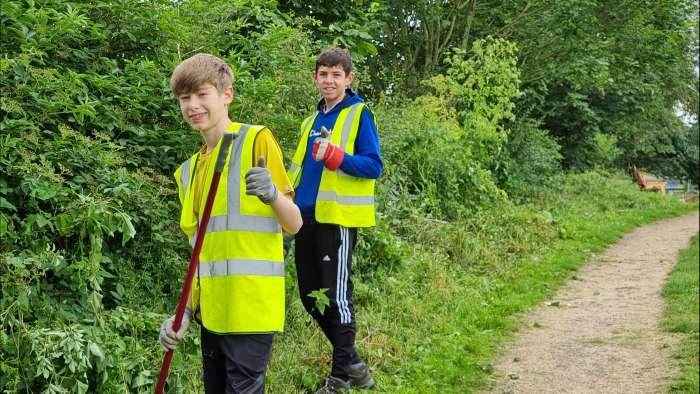
A final point re DoE: I had an email from another restoration group some weeks ago asking how we find our DoE youngsters, as several of its trustees were very reluctant to take such volunteers on. I replied that they should embrace them with open arms!! We’ve also had a couple of sessions from 7th Lichfield Scout Group’s two Cub packs. They have tidied Rose Willow and also removed bricks, etc from the heap of soil along Tamworth Road prior to its removal ... though not sure to where at present. If anyone has leads as to who/what needs soil please let us know!
Working with the youngsters is superb: they’re interested and enthusiastic. There’s not much in this report about our superb adult team: be assured that they not only do a superb, and mostly unseen job (most recently braving huge heat at Barracks Lane re- moving ragwort to uphold our “good neighbour” reputation to ensure that ragwort doesn’t get into our neighbouring farmer’s field) but that they have tended Rose Willow, Gallows Wharf, Fosseway Queen and associated beds and generally keeping our paths clear.
Chris Bull
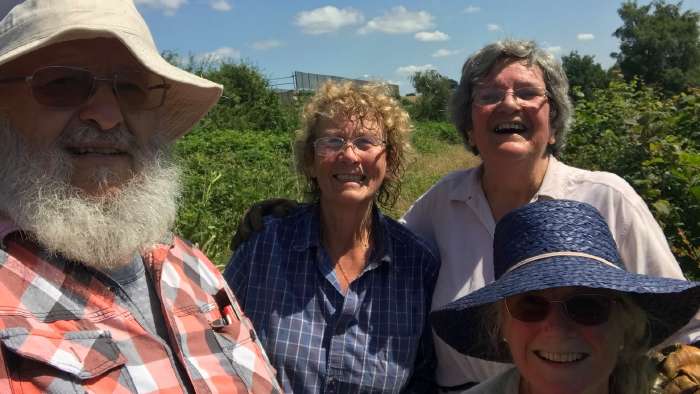
July 18th.
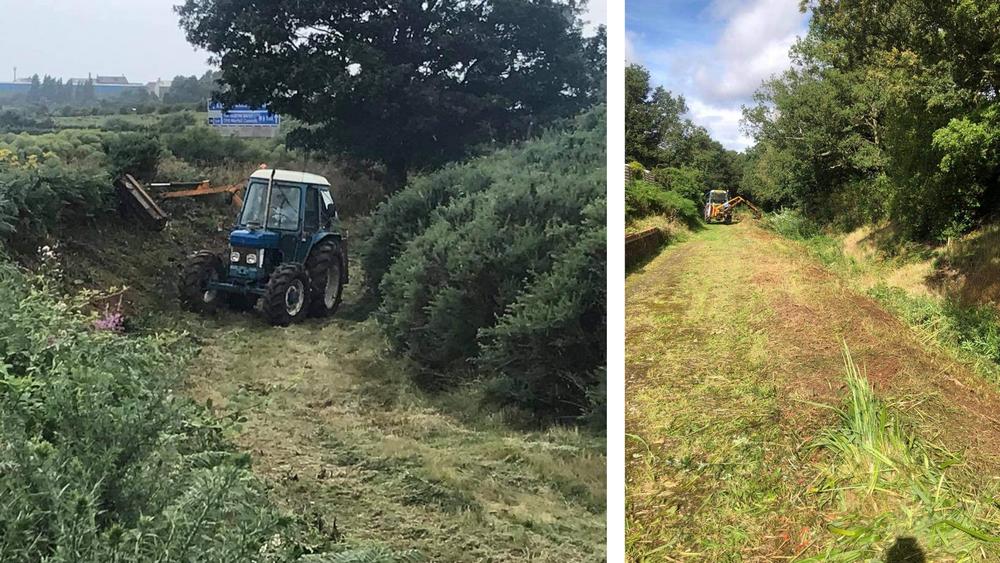
A small team cut their way through the jungle of vegetation on the
west side of the M6Toll to remove the ragwort growth on the Trust-owned land
to west of the aqueduct.
In the blazing summer sun, a team of six including Pat and Jim (93 years
young) pulled up the ragwort to avoid it causing a nuisance to the adjacent
farmland where it can be poisonous to farm animals. However, we can report
that ragwort is thriving elsewhere along on the Lichfield Canal, in particular at
Fosseway Heath where this important native wildflower provides a very
important source of food for dozens of bees, moths, other insects and birds.
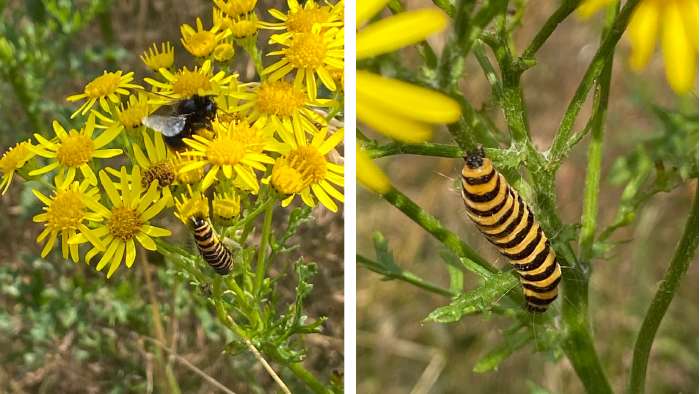
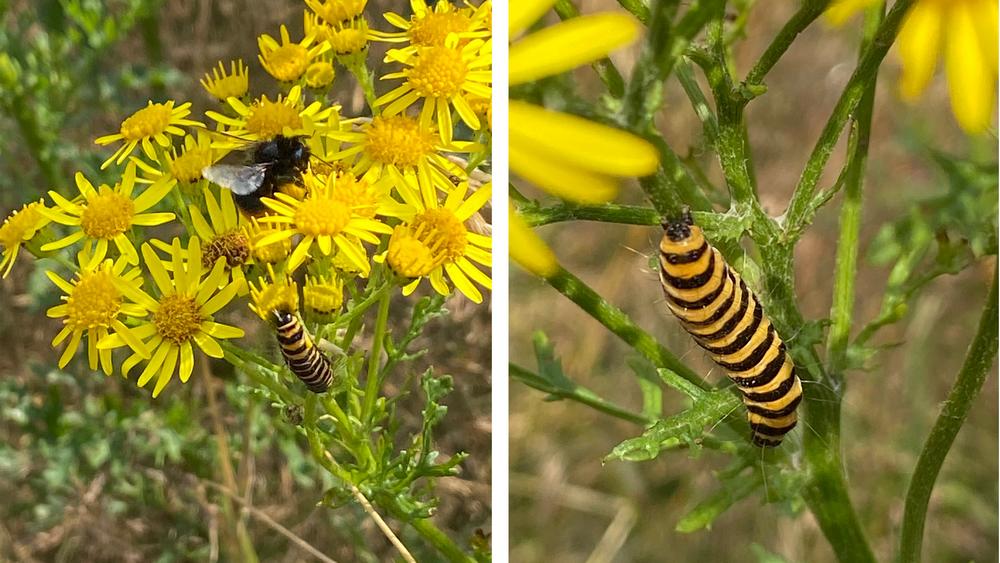
The black and yellow Cinnabar moths caterpillars can be clearly seen this
week on the flowering ragwort along the Nature Trail at Fosseway Heath.
Peter caught up with the volunteers after about eight sacks had been removed and
they were ready for a cool refreshing drink.