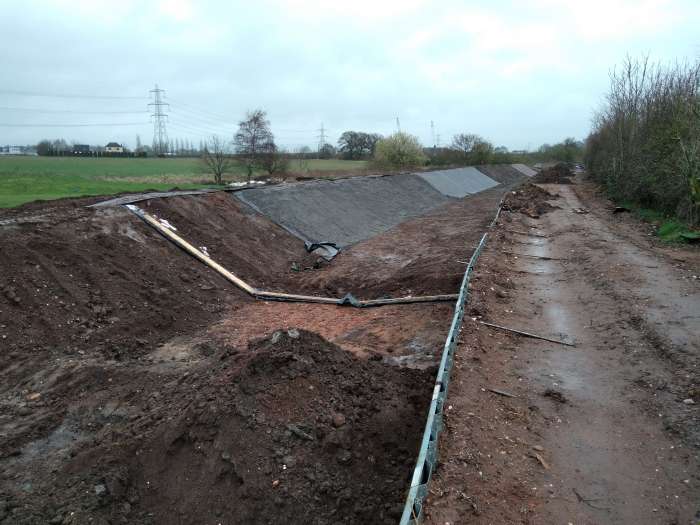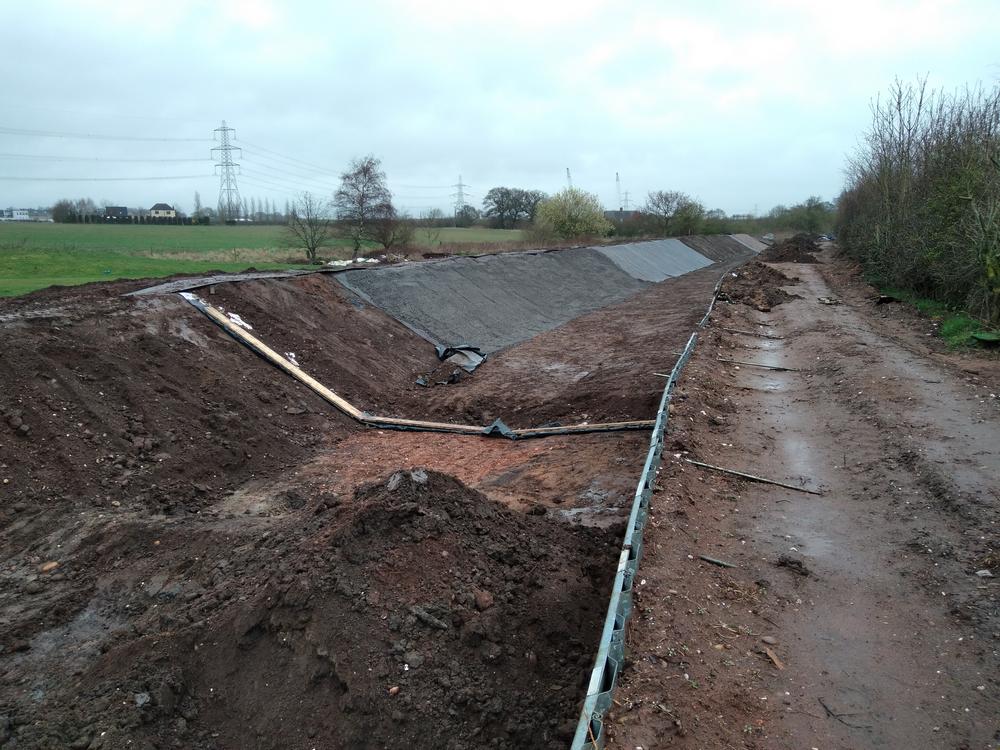
It has been an interesting couple of months but the winter weather has hampered us a bit. There’s been the cold and snow during February and March followed by an extremely wet and windy March. But nonetheless we have made great progress at Darnford, it is a rapidly changing site and it changes on a daily basis.
Darnford Moor Ecology Park
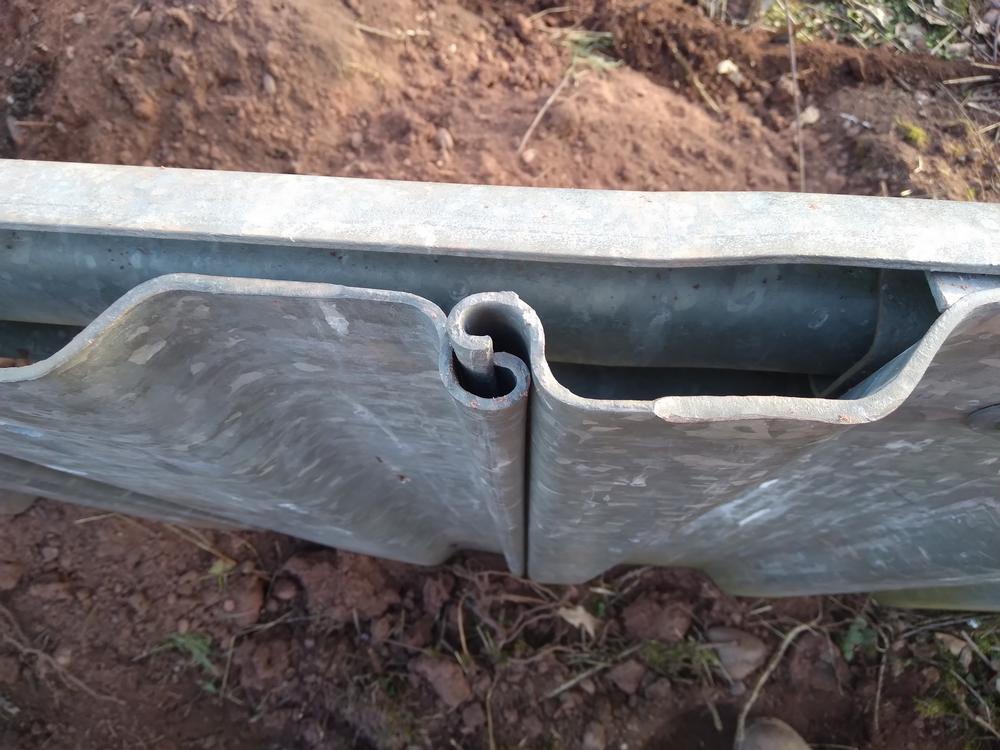
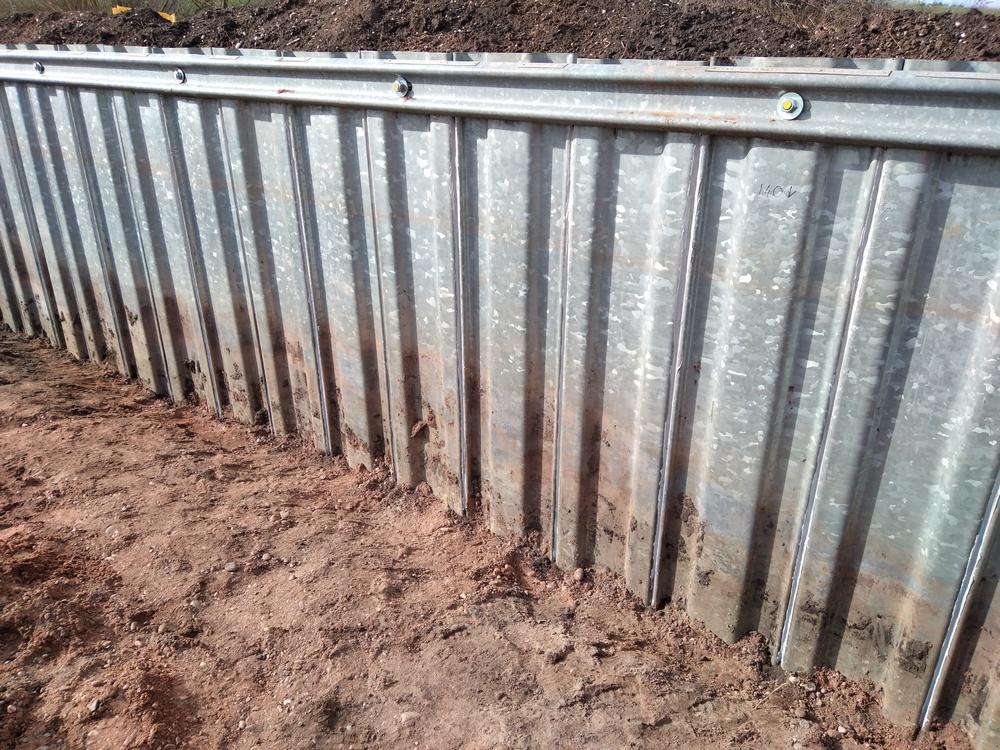
Our work in February was to finish preparing the phase 1 area, for the groundworks contractors who were starting in March. The contract basically deals with the permeability of the canal base and bank but the remaining issue has been its interface with the interlocking clutch of the metal sheet piling - leaks both through the clutch and also could act as a conduit for water flow down into the ground.
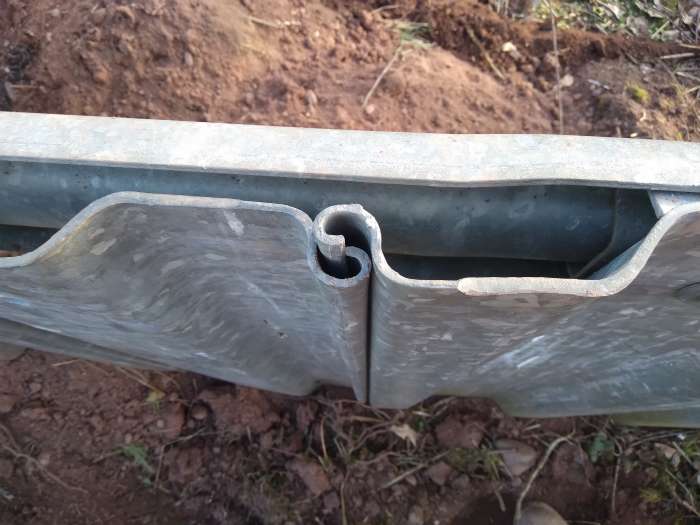
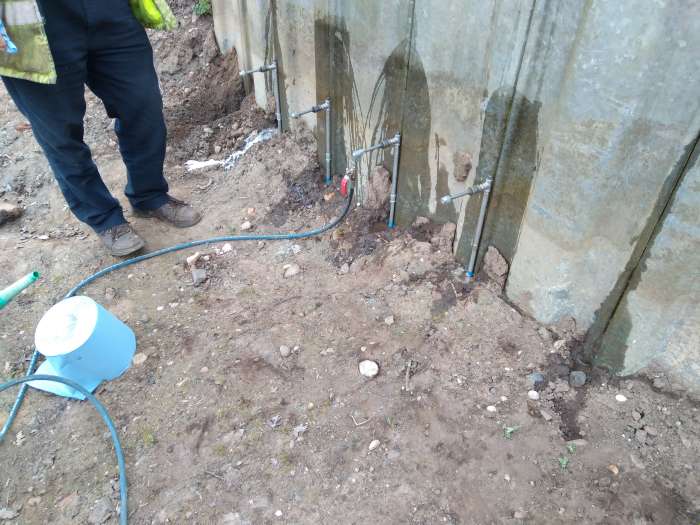
Manufacturing tolerances have certainly improved since these 20-year-old sheets
were made and so we needed a ‘solution’ to stem any potential leaks, at least
until these joints could silt up.
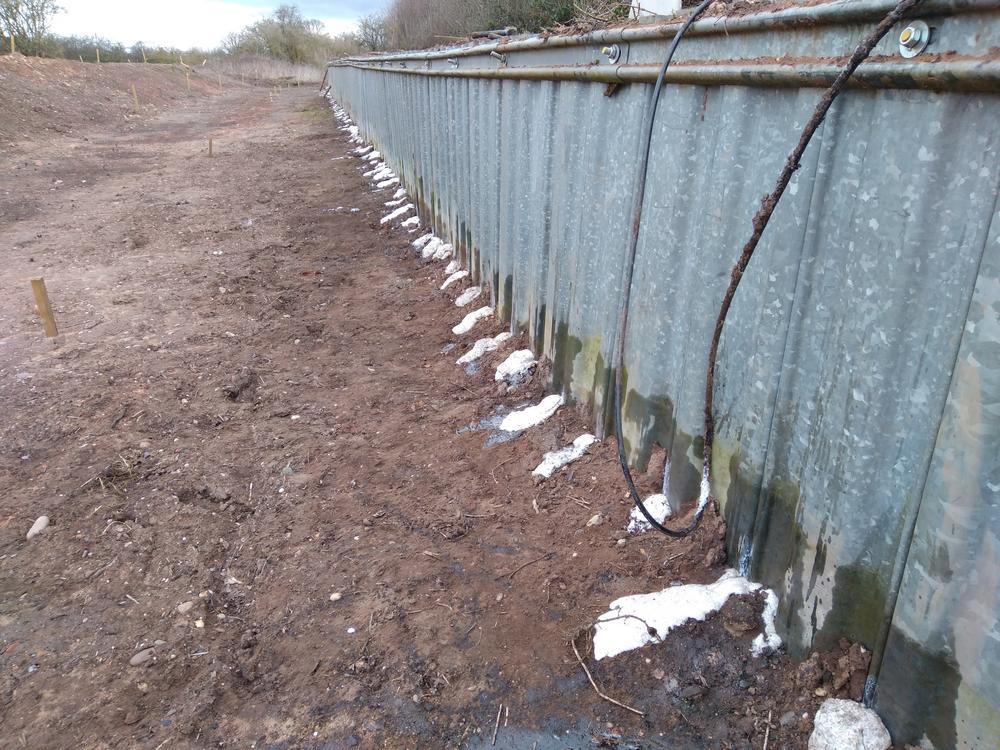
On the phase 1 area we put backing tape across the back of the joints and we
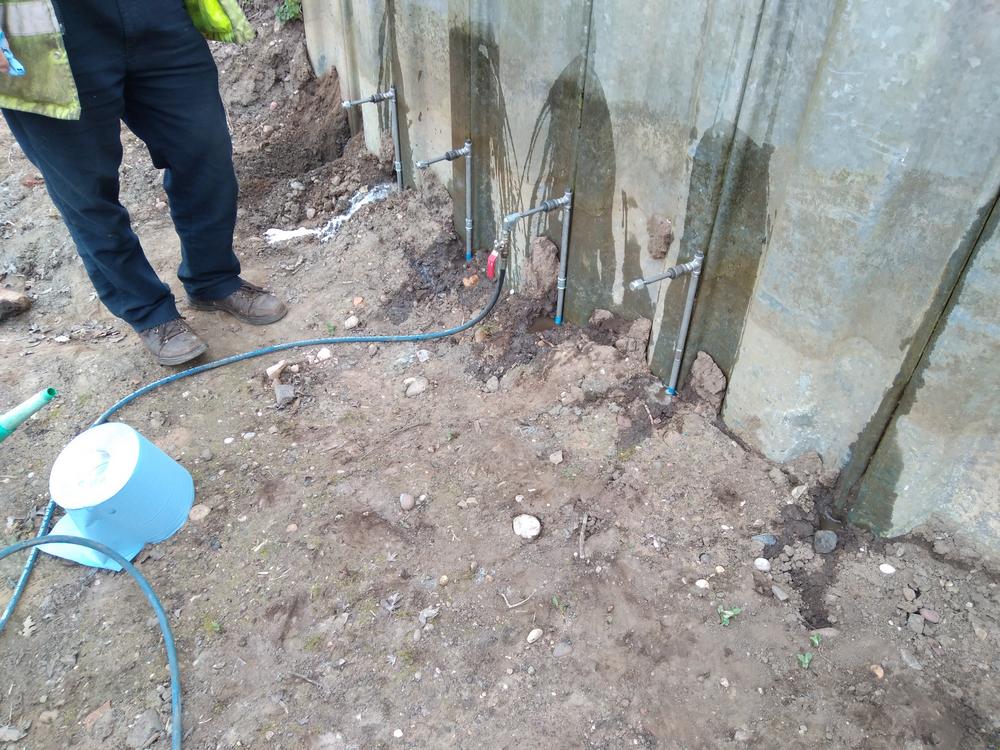
also drove temporary lances down into the front of the joints and then pumped in
a resin which reacts with water to create a hydrophilic (water seeking)
polyurethane foam.
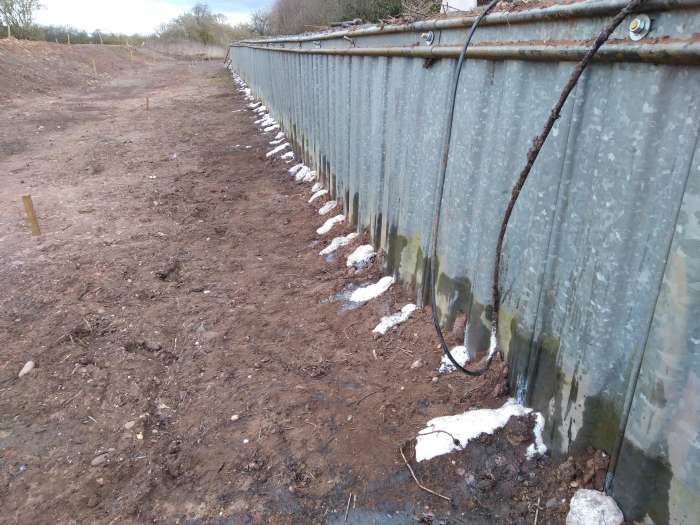
It was an extremely messy process. The main issue was that
the resin itself couldn’t differentiate between the metal piling and the metal lance
and it would prefer to stick to the lance, if the lance were left in place for too long.
We ended up just using the one lance in the end, but it still took an additional
volunteer to continually fettle and clean the rotating lances. The resin also had to
be pumped in at over 5 BarG (above 75psi), which meant that a rota of three
volunteers were needed to continually operate the manual pump throughout the
two days.
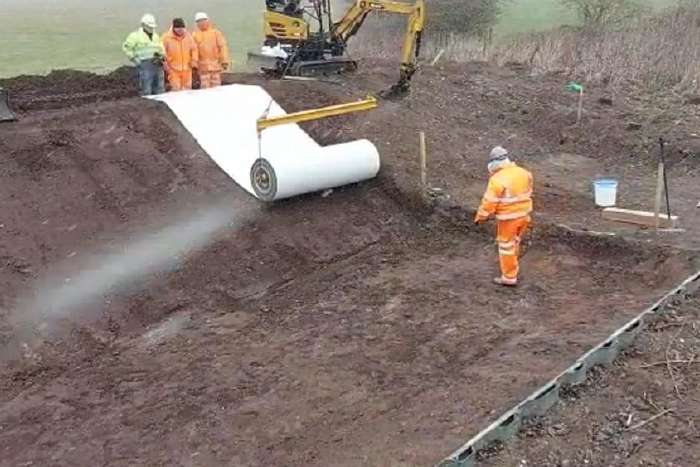
Contractors Begin the bed lining.
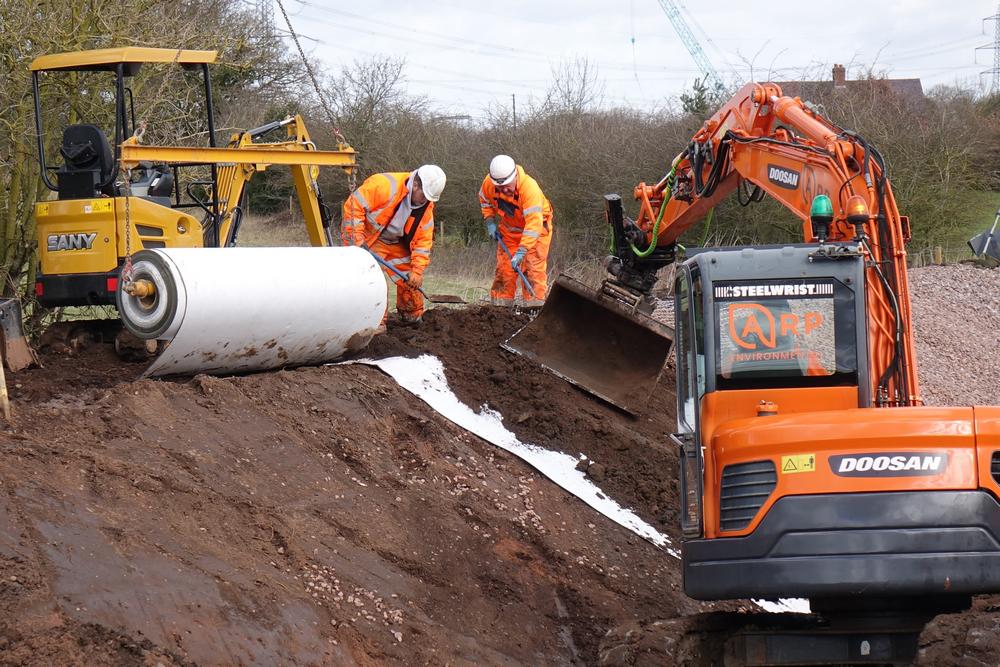
In the first week of March the groundworks contractor started work on phase 1.
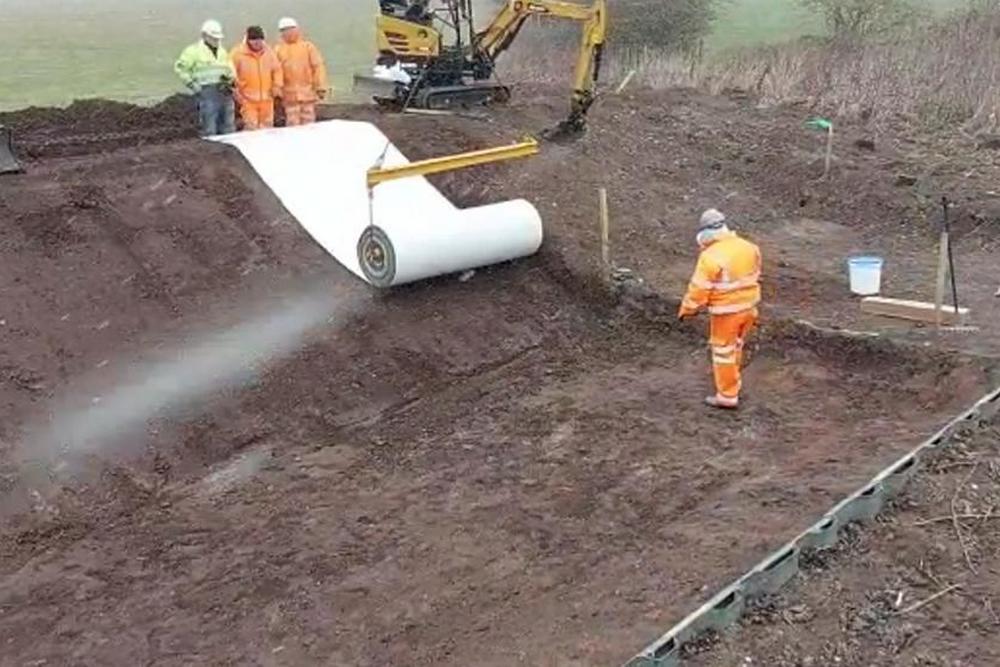
They are laying a bentonite type matting with a woven geotextile on either side.
A confining layer of 300mm of soil is added to the top and angular gravel on a
grid matting, then tops out the bank side of the canal.
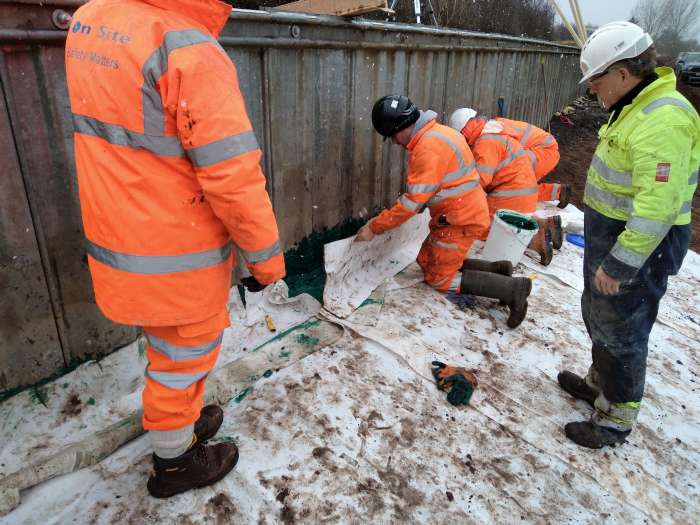
The potential weak point
is the joint between the ground and the vertical metal piling, having totally
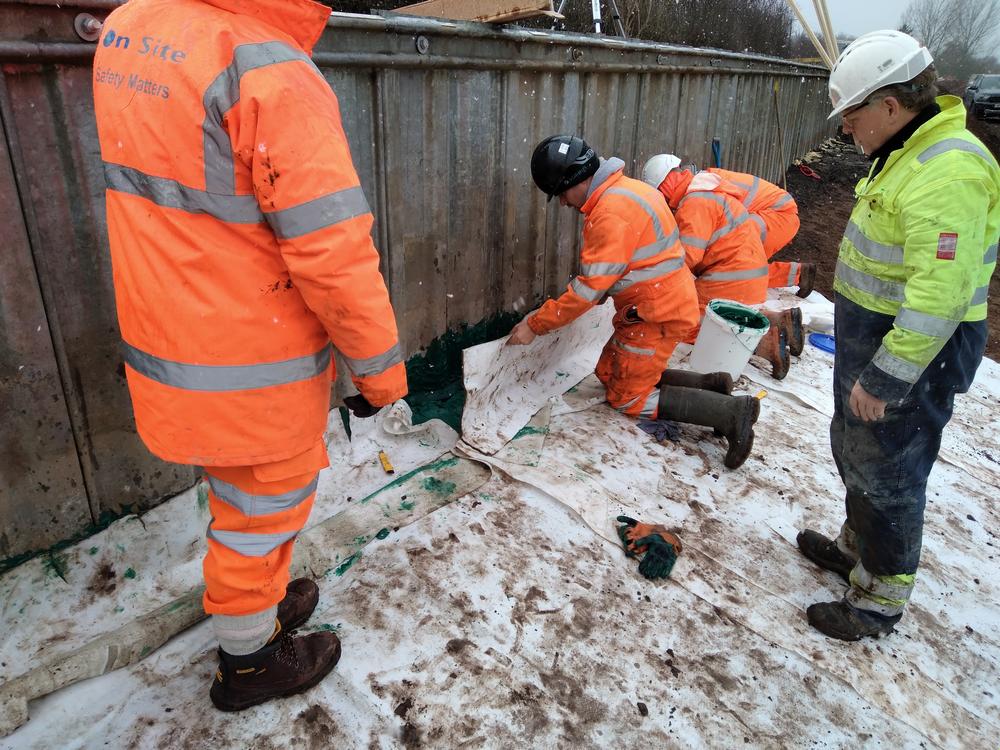
different material characteristics. A four-stage process is used. Firstly, a base
sheet of matting abuts the piling and the surface textile is removed, next
handfuls of bentonite putty and applied into the corners and across the face of
the piling. A quadrant material is then forced into the corner of the putty. Finally,
a second layer of bentonite as spliced to the shape of the piling, its rear
geotextile removed and it is forced into place with more putty added. Since this
material expands when in contact with water, a confining layer of 300mm of soil
is added on top of the matting.
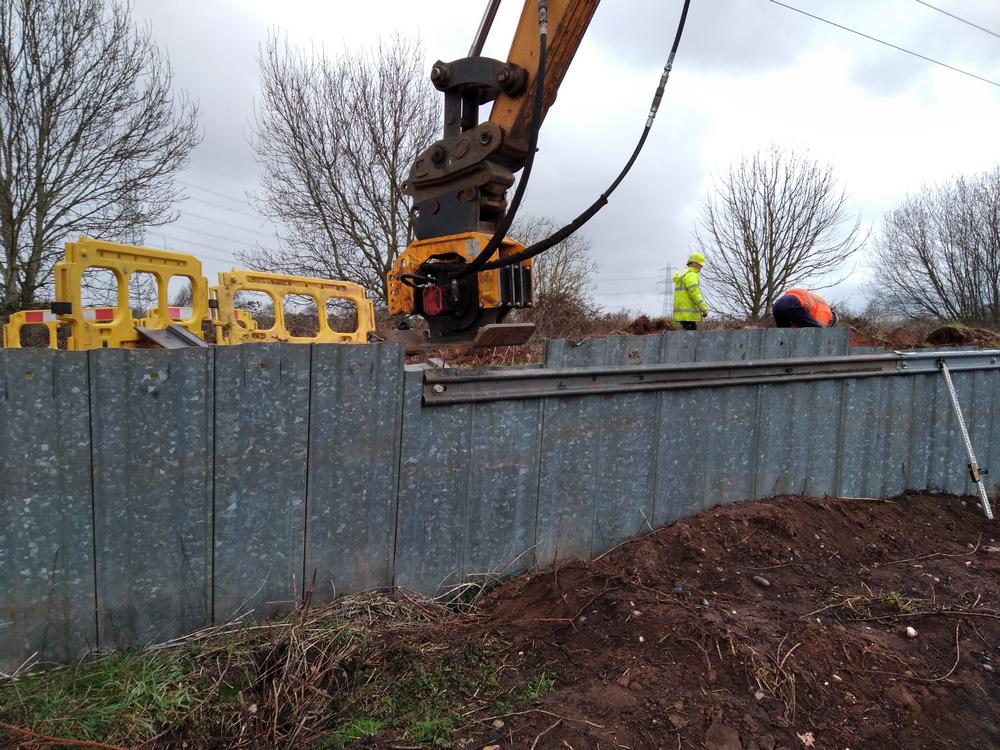
Meanwhile the volunteers worked on the phase 2 area between the lift bridge and the former lock. Here the piling was leaning forward due to the soil pressure acting behind, so we dug it out and added additional three metre tie rods and anchor piles, before setting a universal height via the use of a digger mounted vibro-plate.
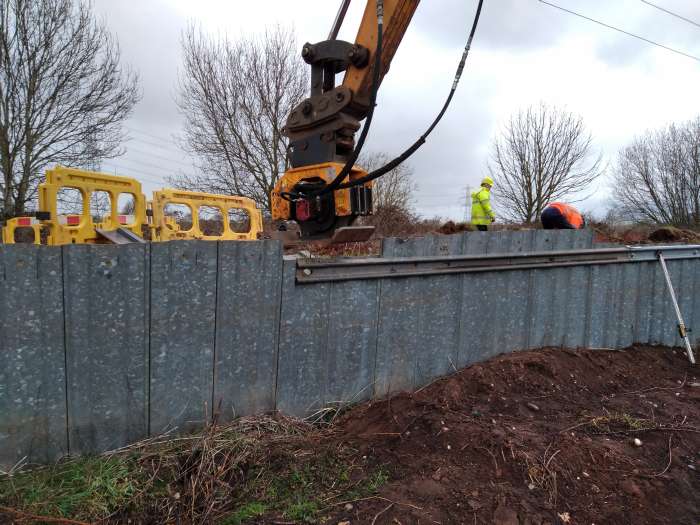
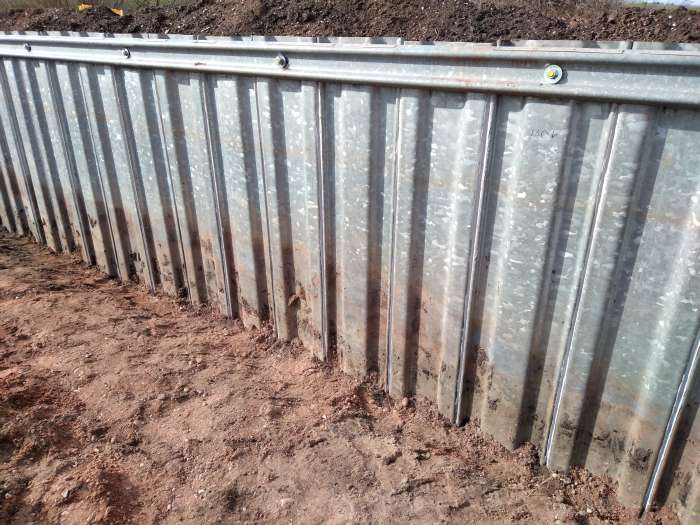
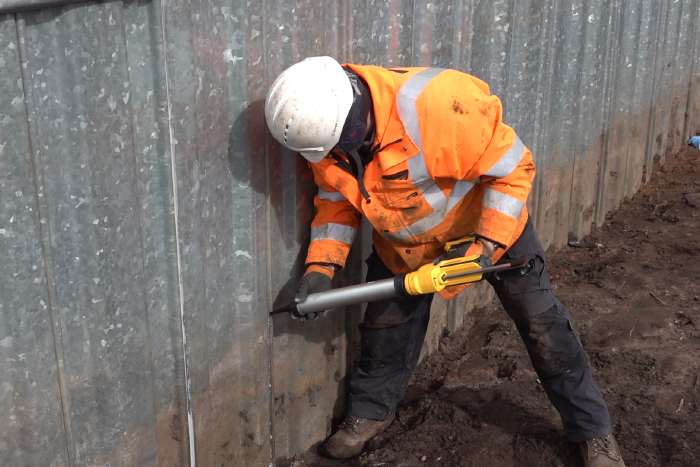
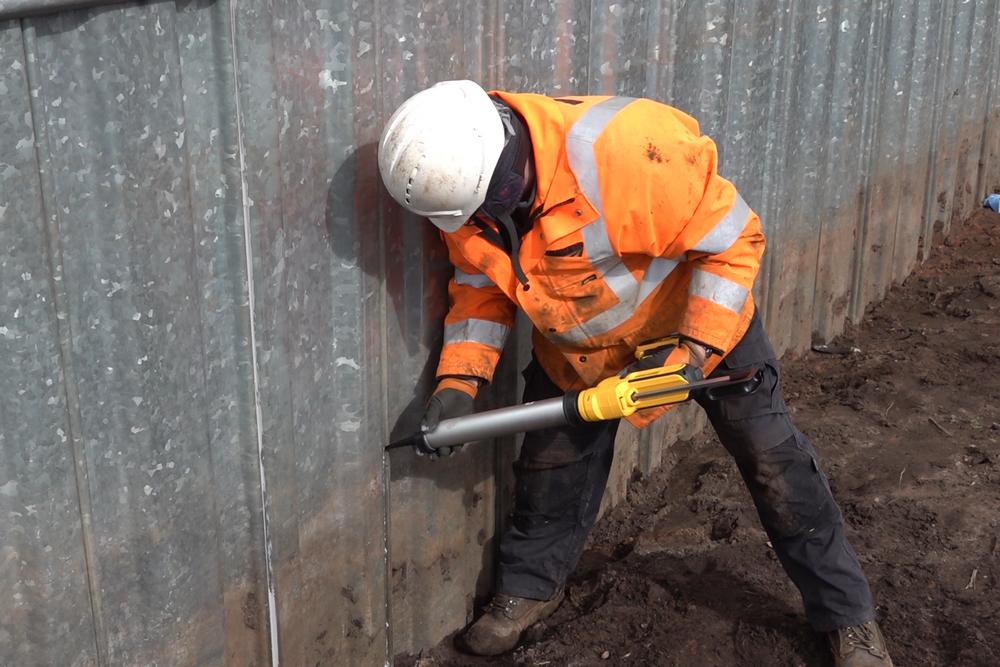
For this Phase 2 area we then changed our approach slightly, as the rear of the piling had been completely dug out in order to align the sheets and restore them to the vertical position. So, instead of putting tape across the back of the joint and pumping resin into the front we dug down the front of the piling and then pumped an elastomeric sealant (having elastic properties) across the joint, having first cleaned the joint with a solvent activator. Our thoughts were that at least when the canal is in water hydrostatic water pressure would be pushing the sealant into the joint on phase 2 (rather than trying to force the tape off the back of the joint, as with phase 1) It is all progressing rather well at the moment as we try to complete our works on phase 2, ready for handover to our groundworks contractor.
Written by Mike
Babb
LHCRT Workparty Volunteer
March 2023